5 twist-on heads includedUSB-C rechargeable30-day money-back guarantee
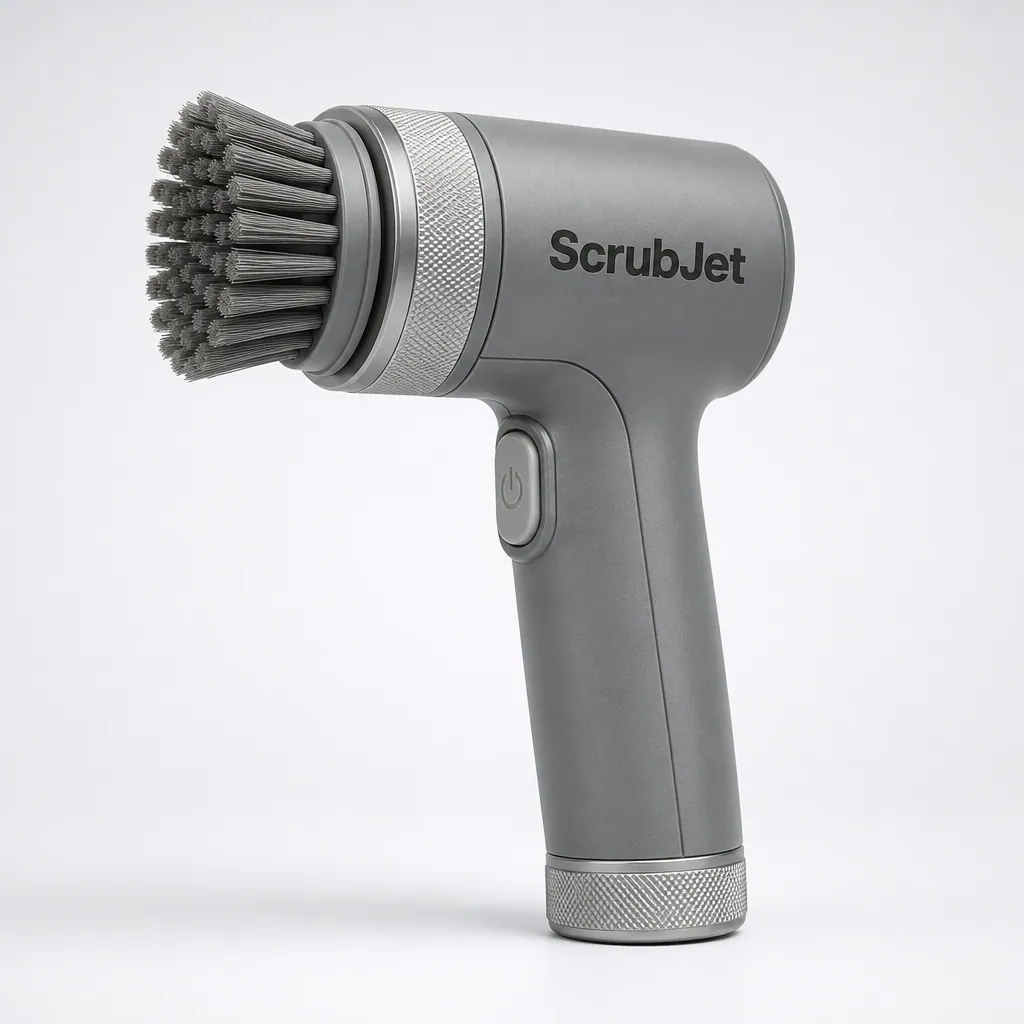
ScrubJet cordless handheld spin scrubber with the stiff bristle brush head fitted
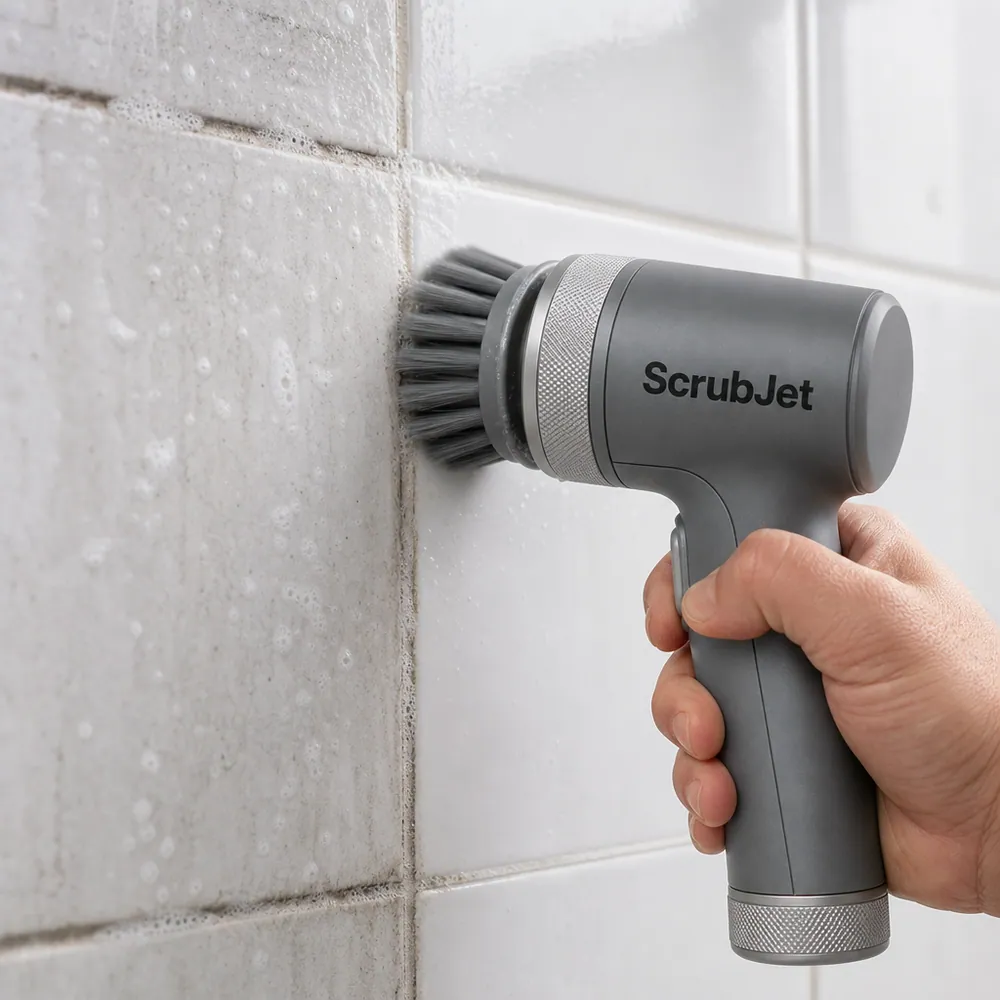
ScrubJet cleaning a grimy grout line on a white tiled shower wall
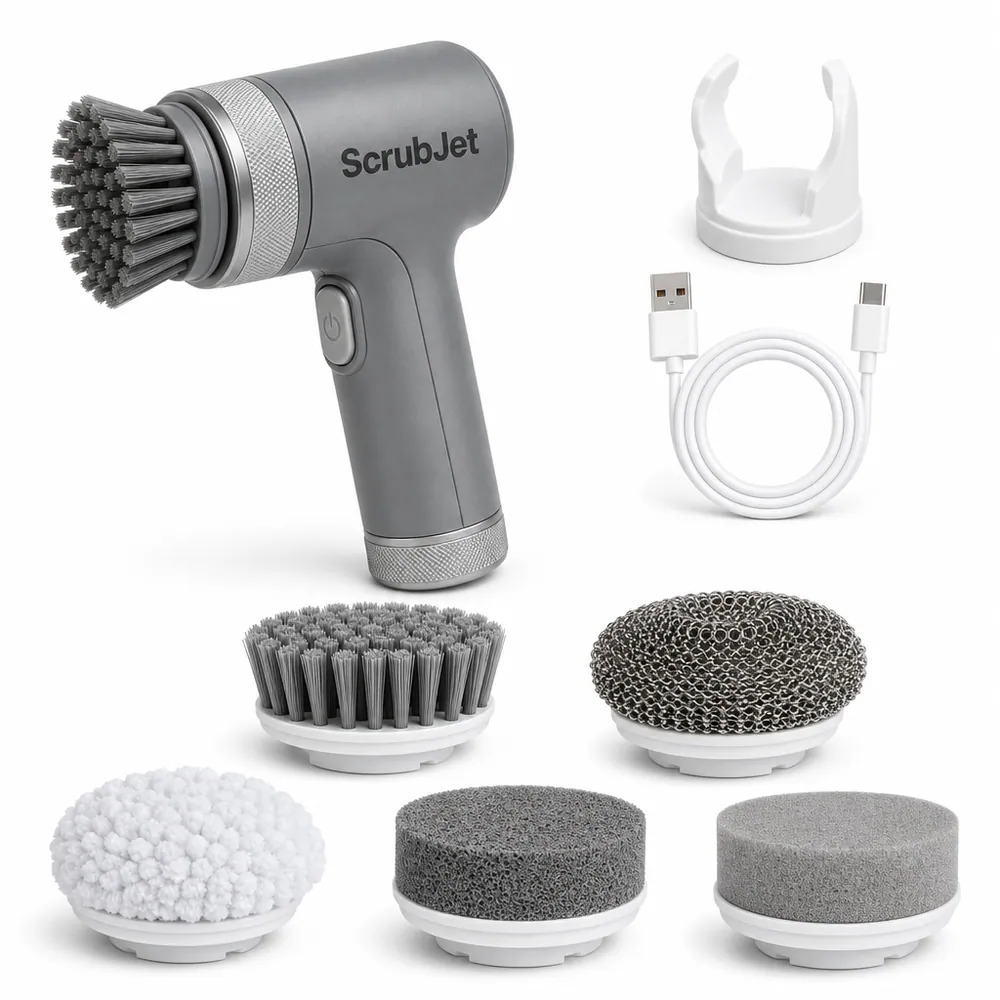
Everything in the box: ScrubJet, five attachment heads, USB-C cable and wall-mount holder
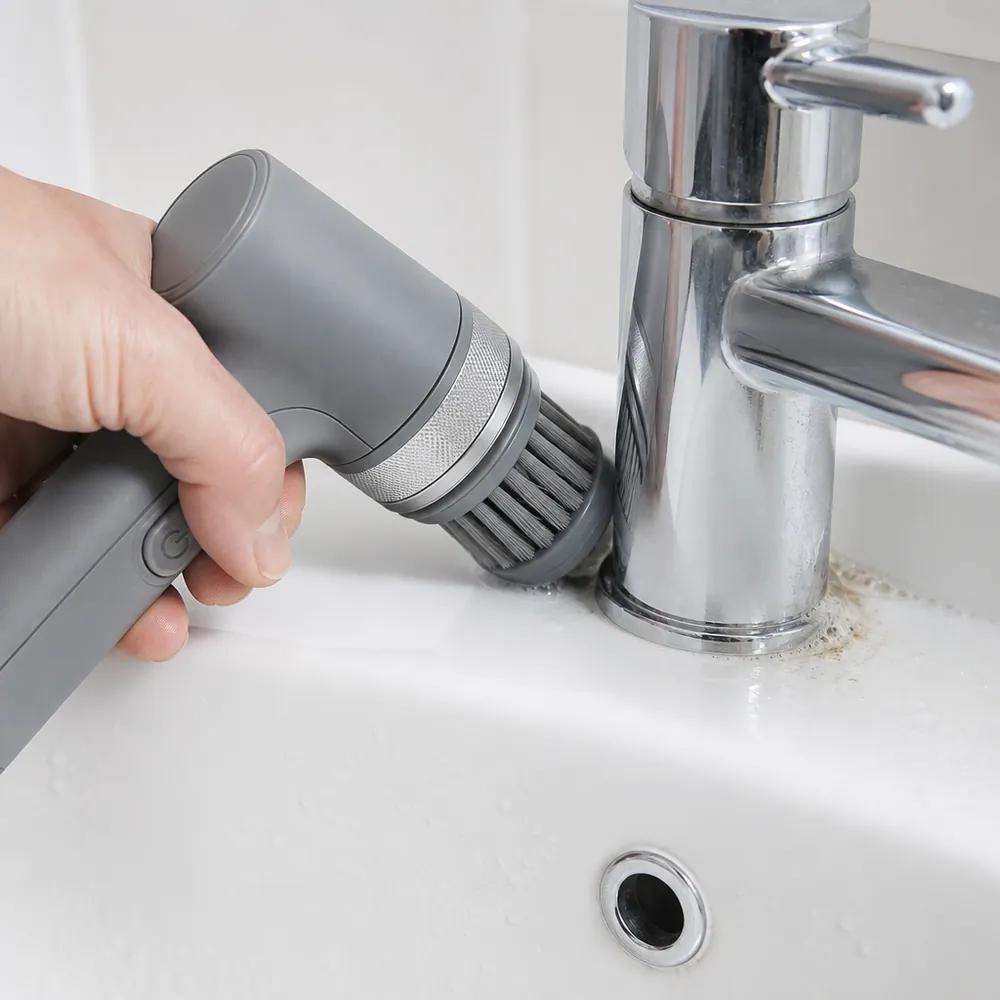
The round brush head reaching into the tight seam around the base of a chrome tap
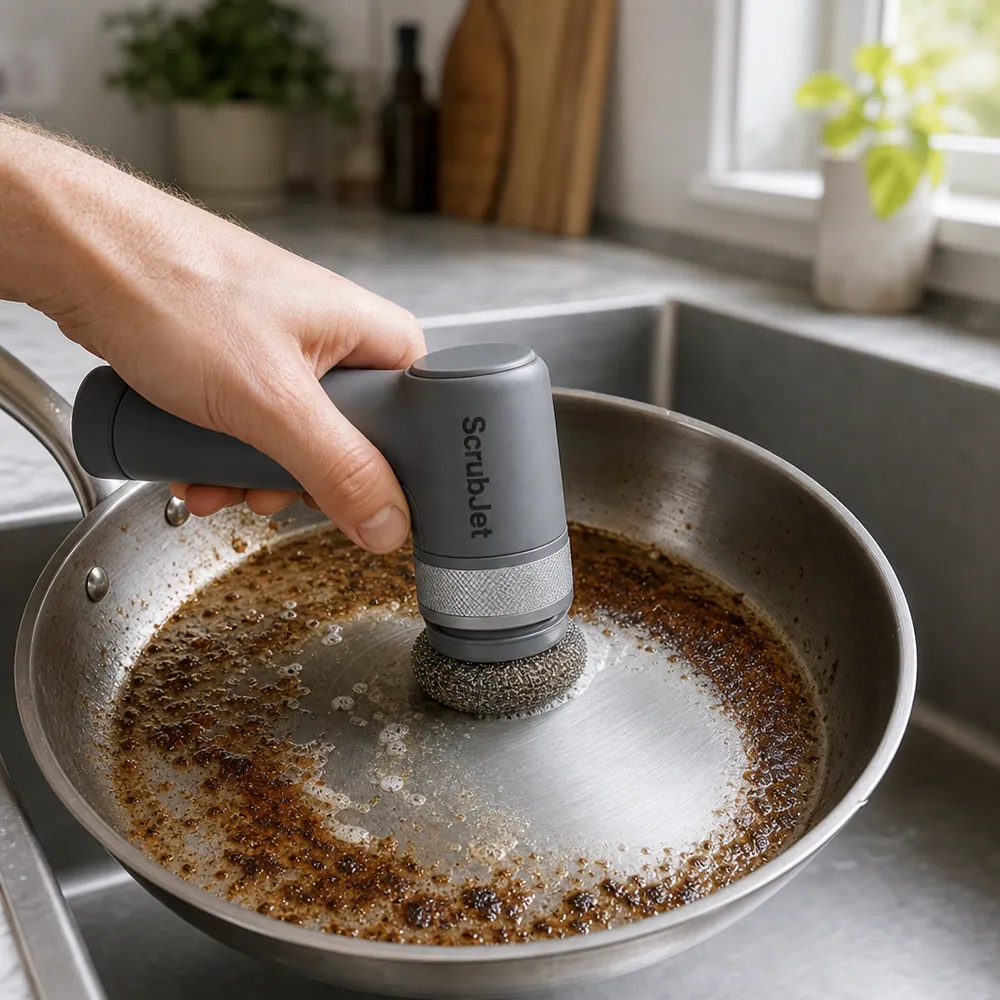
ScrubJet fitted with the steel scourer head lifting baked-on grease from a stainless steel pan
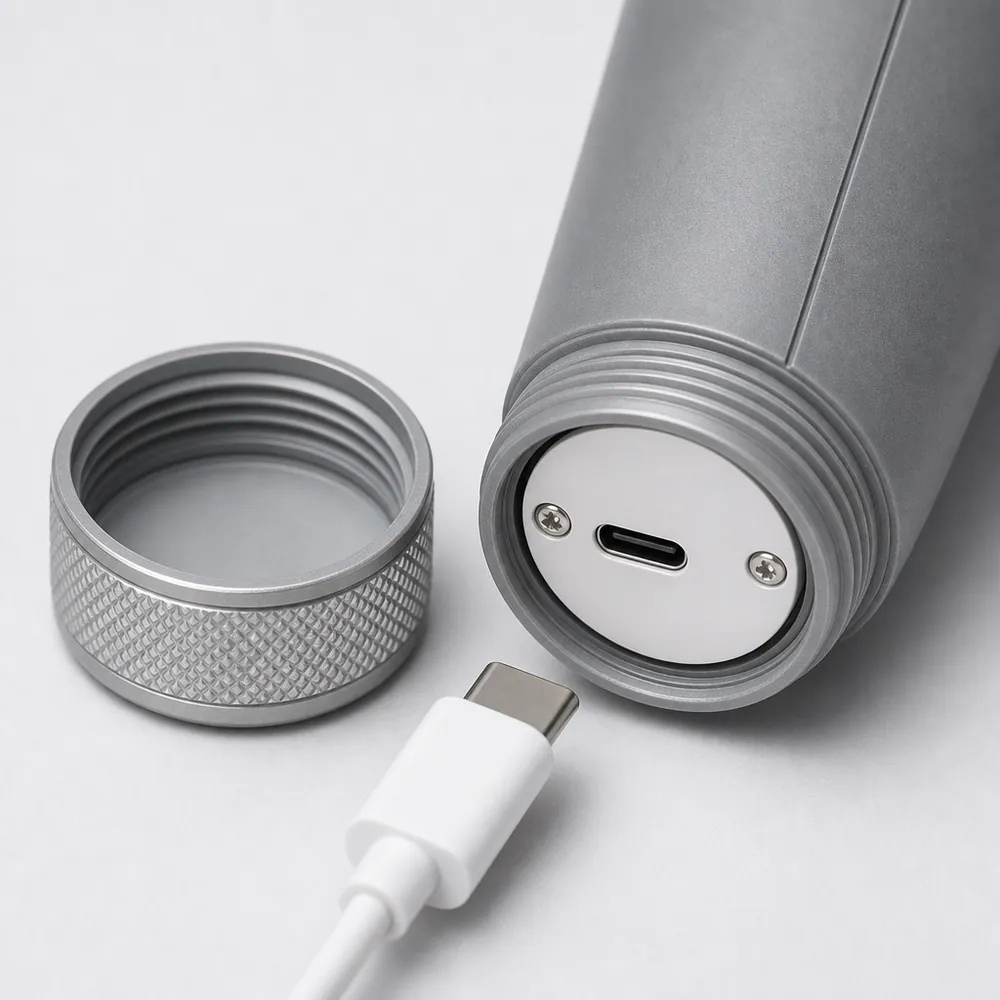
The USB-C charging port recessed in the handle base with its screw-down cap removed

Let the motor do the scrubbing.

ScrubJet is a cordless spin scrubber with five twist-on heads. It does the back-and-forth for you — on shower grout, hard-water glass, baked-on pans, and every tight corner a flat sponge just skates over.

Arrives around soon · 30-day money-back guarantee
  • Five heads in the box
  • USB-C rechargeable
  • Charging port screws shut
  • Wall holder included
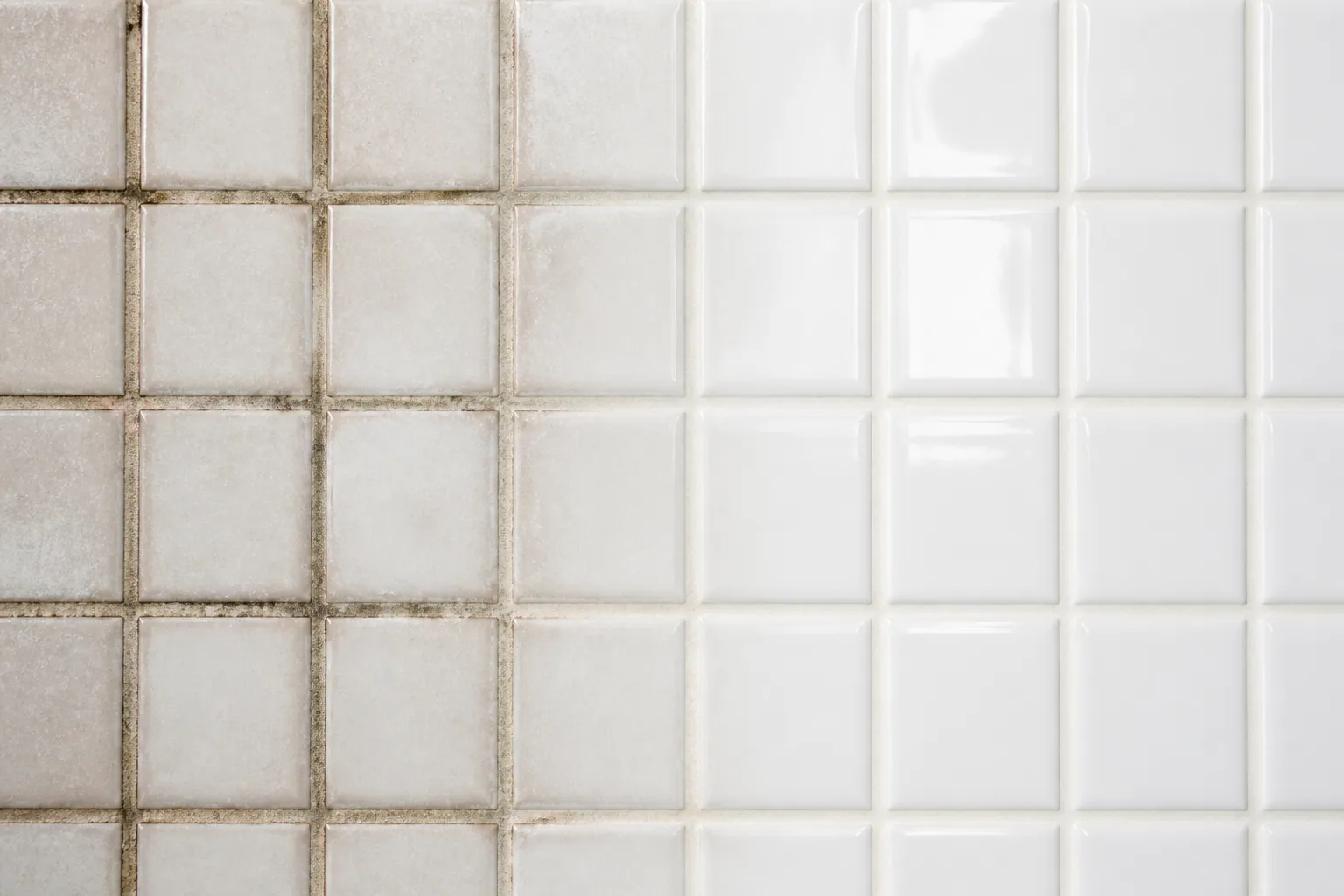
Tile and grout, dulled and darkened on one side and clean on the other
Illustrative: neglected grout and soap-scum film on the left, the same tile gone over on the right.

The real reason it comes back

You’ve scrubbed that grout before. It came back.

So you assume you need a stronger spray. You buy one. It smells more aggressive, it stings your eyes a bit more, and two weeks later the grout looks exactly the same.

Here’s what’s actually happening. Soap scum and grout grime sit in a surface, not on it — down in the pores of the grout and bonded to the microscopic texture of the glaze. A spray can soften that. It can’t lift it out. Something physical still has to work it loose.

That’s the job you’re doing by hand, and it’s the one you lose. Your arm manages a couple of passes a second across a few square inches, your shoulder starts complaining, and you stop long before the grime does. Not because you’re not strong enough. Because you get tired and it doesn’t.

A motor doesn’t get tired. That’s the entire idea.
How it works

Three steps, and none of them are “press harder”

  • Twist on the right head

    Stiff bristle for grout and tile. Steel scourer for burnt-on pans. Soft pad for glass and chrome. They click on and off with a quarter turn, wet hands and all.

  • Wet it, add your usual cleaner

    ScrubJet doesn’t replace what’s under your sink — it finally makes it work. Spray, give it a moment to soften things, then press the button.

  • Guide it. Don’t lean on it

    Let the head’s speed do the work and just steer it along the grout line. Pushing harder doesn’t clean faster — it bogs the head down and slows it.

ScrubJet working along a grout line, with clean tile behind it and grimy tile ahead

It does the repetitions you were never going to do

The reason grout comes clean under a spinning head and not under your thumb has nothing to do with force. It’s repetition. The head keeps passing over the same inch of grout at a steady speed, again and again, for as long as you hold it there.

You couldn’t do that by hand for more than about fifteen seconds, and you know it, which is why the grout has looked like that for two years.

ScrubJet with its five heads, USB-C cable and wall-mount holder laid out

Five heads, because one brush can’t do glass and cast iron

This is where single-brush gadgets fall down. A bristle head stiff enough to dig grime out of grout is far too aggressive for a shower screen, and a pad soft enough for chrome does nothing at all to a burnt roasting tin.

So you get five, and the whole skill of using it is picking the right one.

  • Stiff bristle brush Grout, textured tile, floors, trainer soles
  • Steel wire scourer Burnt-on pans, oven racks, grill grates. Never non-stick.
  • Soft plush pad Glass, chrome, polished surfaces, the final buff
  • Medium abrasive pad Sink rings, hob marks, stubborn film on ceramic
  • Fine abrasive pad Hard-water spotting on enamel and ceramic
The brush head working into the narrow seam where a chrome tap meets the basin

It gets into the corner. That’s where the grime lives

Think about where dirt actually accumulates: the seam where the tap meets the basin, the internal corner of the shower tray, the lip under the toilet seat hinge, the join between the worktop and the splashback.

Every one of those is a place a flat sponge physically cannot touch. It bridges across the gap and cleans the two flat surfaces either side of the dirt. A small round head spinning on the end of a handle drops straight into it.

The knurled cap unscrewed from the handle base, revealing the recessed USB-C port

The charging port screws shut

On any tool you use wet, the charging port is the obvious weak point. ScrubJet’s is recessed into the base of the handle and covered by a knurled cap that screws down over it, so the opening is closed off while you work rather than covered by a flap you hope is still seated.

Being straight with you about the limits: it’s built to be used around water — splashes, suds, a wet tiled wall, rinsing the heads under the tap. It is not a diving toy. Don’t submerge the body, don’t hold it under a running tap, and screw the cap back down before you use it after charging.

The steel scourer head lifting baked-on residue from a stainless steel frying pan

It doesn’t stop at the bathroom

The bathroom is where it earns its money, but the same problem — grime you can only shift by working at it — is everywhere. Burnt sugar welded to a roasting tin. The greasy film on the extractor filter. Alloy wheels. The rubber seal inside the fridge door. Trainer soles. Garden furniture that’s gone green over winter.

One thing worth saying out loud, because it’s the honest reason most people end up with two: the head that cleaned around your toilet should never go near your kitchen sink. You can buy separate heads and try to keep track of which is which, or you can keep one downstairs and one upstairs and never think about it again.

Where it works

Anything with texture, grime and a corner

Pick the head to match the surface and it handles most of the jobs you’ve been avoiding.

Bathroom

  • Tile & grout
  • Glass screens
  • Bath & shower tray
  • Taps & plugholes
  • Toilet base & hinges
  • Basin & overflow

Kitchen

  • Pans & baking trays
  • Hob & splashback
  • Sink & drain
  • Extractor filters
  • Fridge seals
  • Chopping boards

Everywhere else

  • Wheels & hubcaps
  • Car mats & cup holders
  • Trainers & boot soles
  • Garden furniture
  • Tile floors & skirting
  • Pet bowls & trays

Don’t put it on these

The wire and abrasive heads are genuinely abrasive — that’s exactly what makes them work on grout, and exactly what makes them a problem on a finish you can’t replace. When you’re not sure, start with the soft pad somewhere nobody looks.

  • Non-stick pans. The wire head will take the coating straight off. Soft pad only, gently.
  • Glass hobs. Soft pad only — wire and abrasive heads leave swirl marks.
  • Acrylic & fibreglass baths. Abrasive pads dull the gloss permanently.
  • Marble, travertine, unsealed stone. Scratches and etches easily.
  • Car paint and clear coat. No head here is safe on paintwork. Wheels and mats, yes; bodywork, no.
  • Painted or lacquered wood. It takes the finish with the dirt.
  • Brushed or anodised appliance fronts. Abrasives leave cross-grain scratches you’ll always see.
  • Screens and electronics. Obvious, but worth writing down.

Sample content — not real reviews

Written as a brief for gift reviewers. The importer keeps this page in draft until every card is replaced with a genuine, permissioned customer review.

Reviews

What people say once they’ve used it

4.8
Based on 6 reviews
Dana R. Verified purchaser

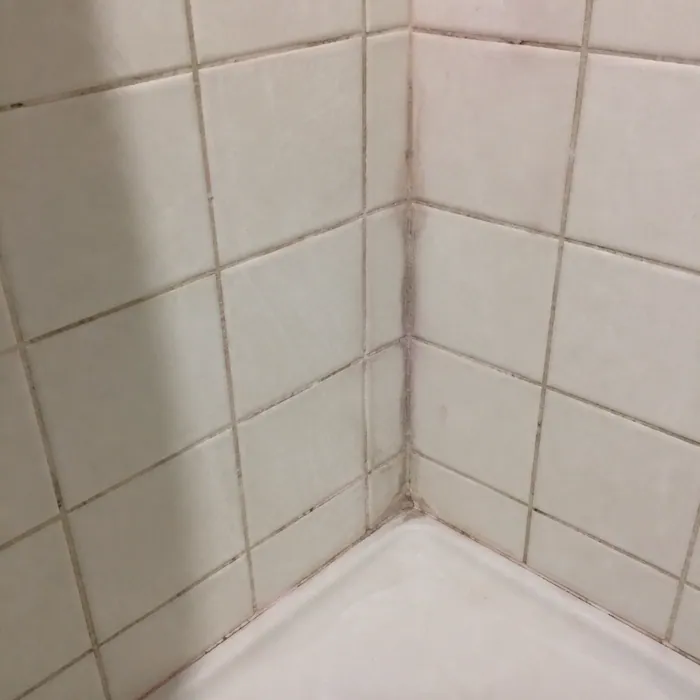
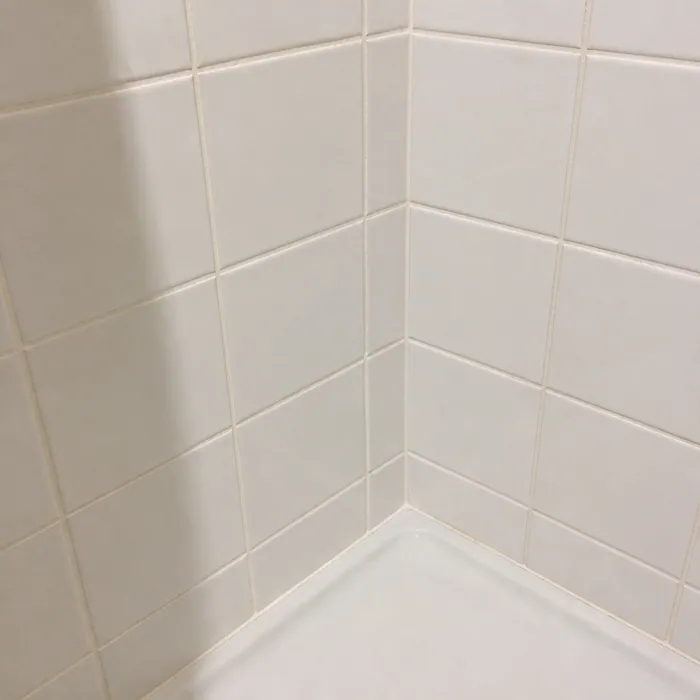
I’d gone at that shower corner with three different sprays and an old toothbrush and it never came properly clean. Four minutes with the stiff brush and the grout is two shades lighter. I stood there staring at it like an idiot.

Shower tile corner with darkened grout and soap-scum film before cleaning
Before
The same shower tile corner with pale clean grout after cleaning
After
Marcus T. Verified purchaser

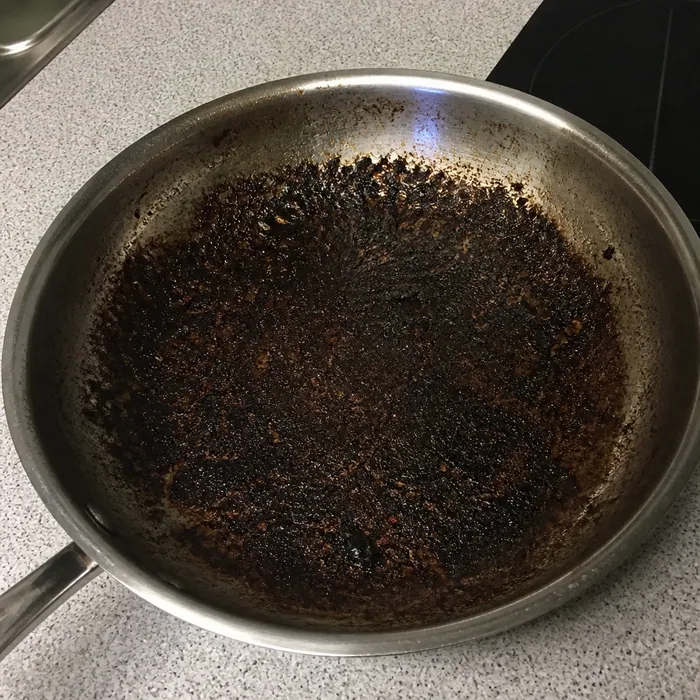
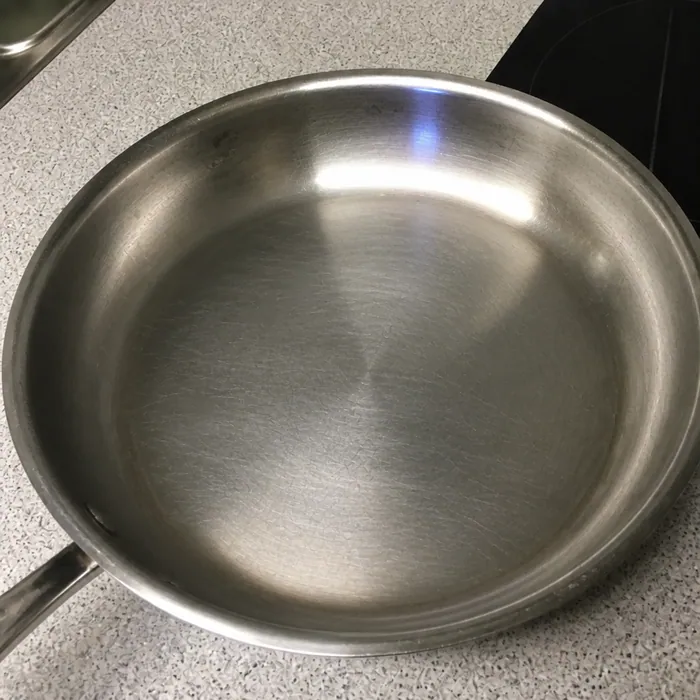
This pan was going in the bin — burnt sugar from a tray bake, completely welded on. The wire head took it back to bare metal. Fair warning, I then tried that same head on a non-stick pan and ruined it. That’s on me, it does say not to.

Stainless steel pan with heavy burnt-on residue before cleaning
Before
The same pan scrubbed back to bare stainless steel
After
Priya S. Verified purchaser

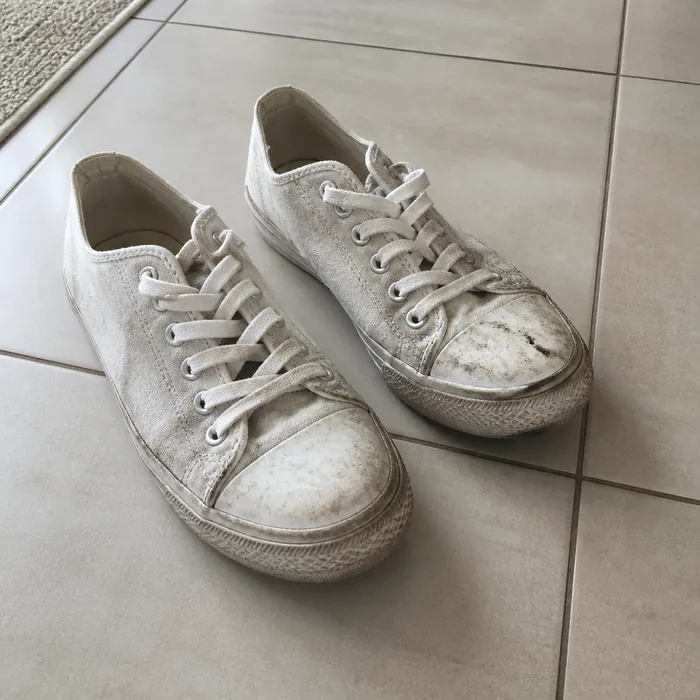
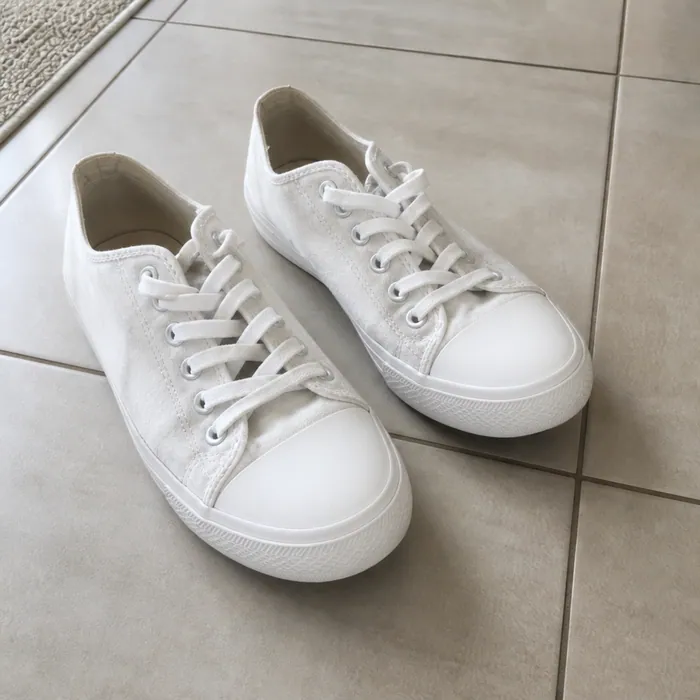
Bought it for the bathroom, ended up doing my daughter’s school trainers the night before photos. The rubber came up like new. The canvas needed two passes and a bit of stain remover, but they went in looking respectable.

Pair of scuffed and dirty white trainers before cleaning
Before
The same trainers with the rubber and canvas cleaned up
After
Ellen M. Verified purchaser

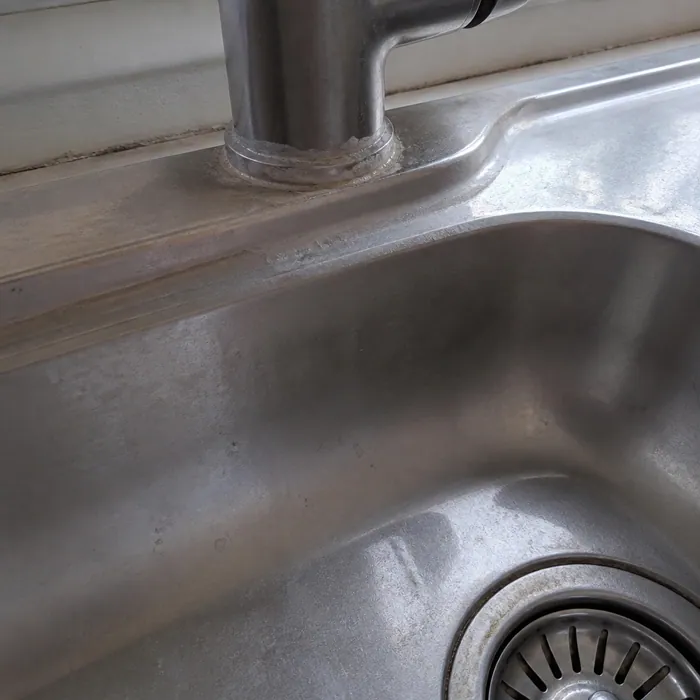
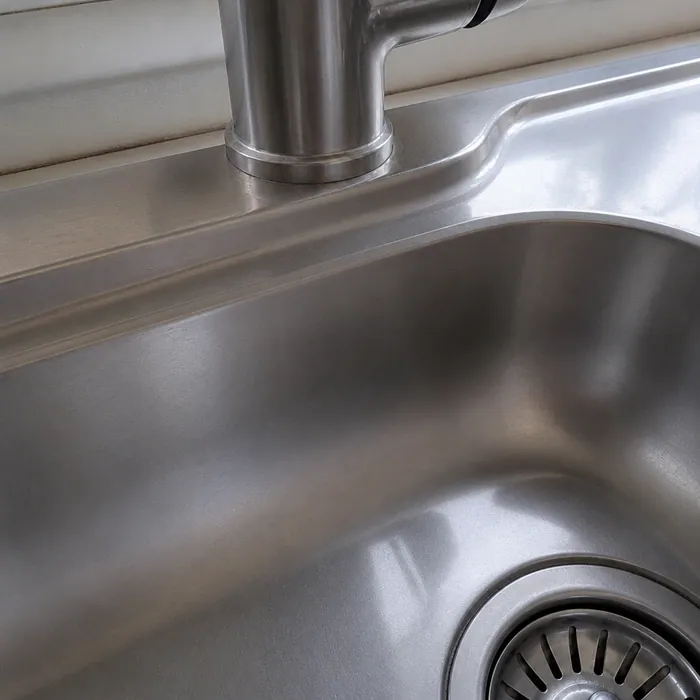
The limescale crust round the base of the tap is gone, which is exactly what I bought it for. Four stars rather than five because I’d like more charge out of it — the kitchen is fine, but I top it up before I start the bathroom. Still glad I got it.

Kitchen sink and tap base with limescale and water-spotted film before cleaning
Before
The same sink and tap base cleaned and bright
After
Tom B. Verified purchaser

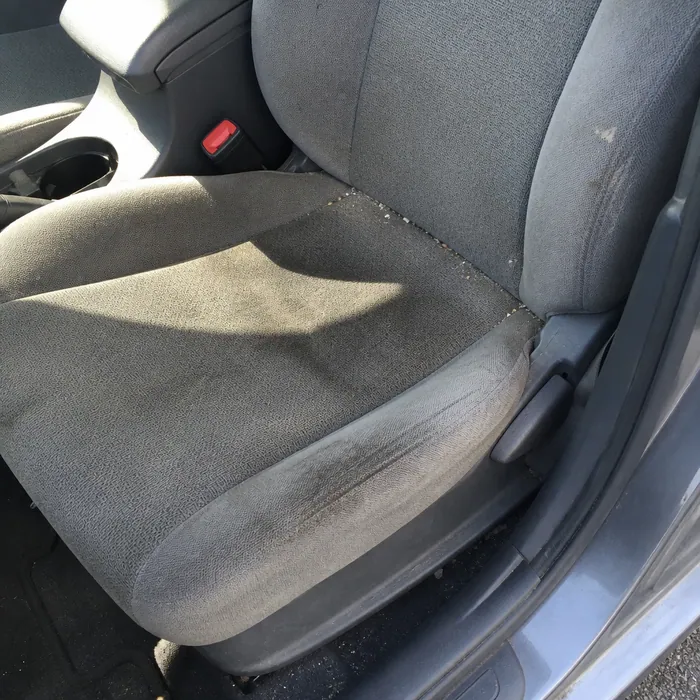
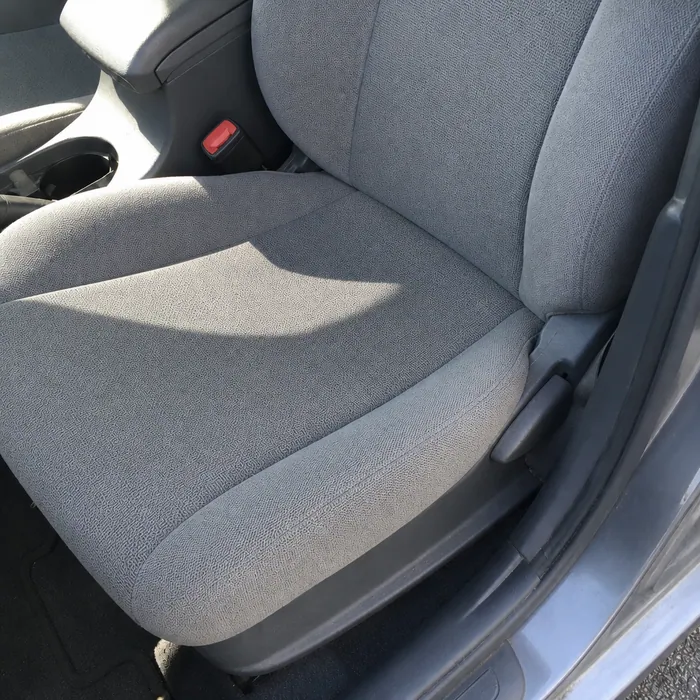
Cleaning the car up before selling it. The cloth seats had about eight years of ground-in grime and I was fully expecting to pay a valeter. Bristle head plus upholstery foam and they came back a different shade. The buyer specifically mentioned the interior.

Grey cloth car seat with ground-in grime before cleaning
Before
The same car seat with the upholstery cleaned
After
Sofia L. Verified purchaser

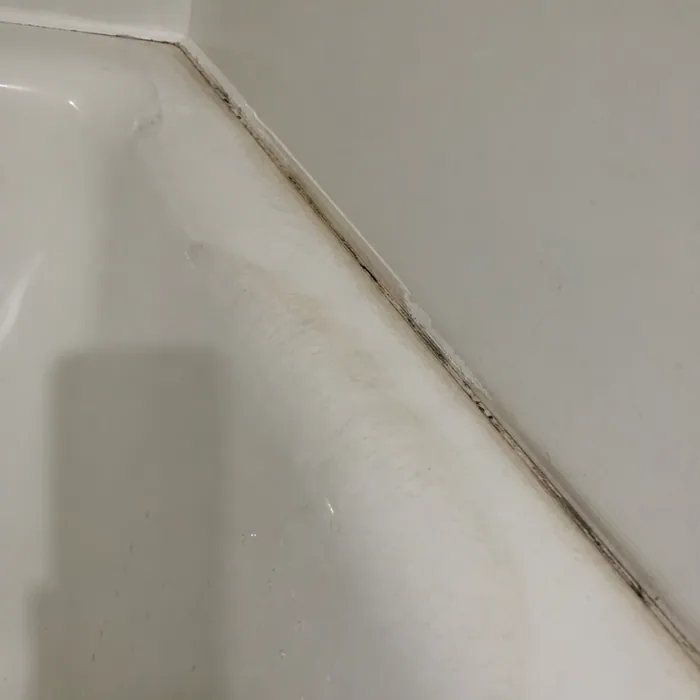
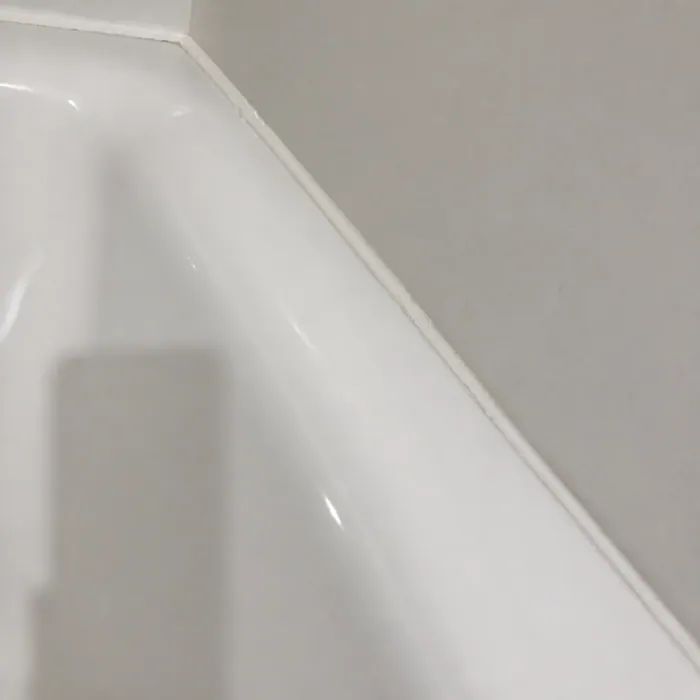
That tide mark round the bath used to be half an hour on my knees with a cream cleaner. Now it’s a couple of minutes and I can do most of it standing up. Honestly that’s the real reason I’d buy it again, and it isn’t the reason I expected.

Bathtub with a grey tide mark along the waterline before cleaning
Before
The same bathtub with the tide mark removed
After

Reviews are published as submitted by verified purchasers, favourable and unfavourable alike. We don’t edit them and we don’t withhold the critical ones.

The details

What you’re actually getting

  • PowerCordless, USB-C rechargeable
  • Charging portRecessed, under a screw-down cap
  • Heads included5 — bristle, steel scourer,
    soft pad, 2 abrasive pads
  • Head fittingQuarter-turn twist lock
  • ControlsSingle power button
  • BristlesNylon
  • BodyMoulded plastic, matte grey
  • In the boxScrubJet, 5 heads,
    USB-C cable, wall holder

Try it on the worst grout in your house

Not the easy bit. The corner of the shower you’ve quietly given up on, or the pan you’ve been meaning to throw out. That’s the honest test, and it takes about four minutes.

If it doesn’t do noticeably more than you can do by hand, send it back within 30 days for a full refund of the purchase price. Keep the heads either way — posting used cleaning brushes back to us helps nobody.

Arrives around soon

Questions

Before you buy

It’s made for wet work — suds, splashes, a soaking tiled wall, and rinsing the heads under the tap afterwards. The charging port is recessed and closed off by a cap that screws down over it, which is the part that matters.

What we won’t tell you is that it’s submersible, because it isn’t. Don’t drop it in the bath, don’t hold the body under a running tap, and make sure the cap is screwed back down after charging.

It can, if you use the wrong head. That’s the honest answer, and it’s why there are five of them.

Ceramic tile, porcelain and enamel take the bristle and abrasive heads happily. Acrylic and fibreglass baths, glass screens and chrome want the soft plush pad. On anything you’d be upset to mark, test on a patch that’s hidden — behind the tap, low down in a corner — before you do the whole surface.

Not with the steel scourer, no. That head will strip the coating, and no refund policy un-strips it. Use the soft pad with light pressure, or wash non-stick by hand as usual.

The scourer is for bare stainless steel, cast iron, oven racks, grill grates and baking trays — the things that laugh at a sponge.

Yes, and we’d rather say so than pretend otherwise. ScrubJet does the agitation, not the chemistry — your cleaner still does the softening and the actual cleaning.

What usually changes is how much you need. Because the head keeps working the surface instead of giving up after ten seconds, most people find a milder product does the job a harsh one used to.

A quarter turn. Push the head onto the spindle and twist until it seats; twist the other way to release. It’s designed to be done with wet, soapy hands, which is the only time you’ll ever be doing it.

They do — they’re consumables, like any brush. The bristle and abrasive heads soften with use, and how fast depends entirely on what you put them through. Grout and oven racks are hard on them; glass and chrome barely touch them.

Rinse them out after each use and stand them bristles-up to dry rather than leaving them wet in the head, and they last a lot longer.

It’s a one-hand tool built around a pistol-style grip, so your wrist stays in a neutral position instead of the twisted scrubbing motion that makes cleaning a bathroom hurt. You’re holding it in place and steering, not pushing.

The wall holder in the box exists so it lives where you use it, rather than at the back of a cupboard under the stairs.

The ScrubJet handle, all five heads (stiff bristle, steel wire scourer, soft plush pad, and two abrasive pads), a USB-C charging cable and the wall-mount holder. Charge it fully before the first use.

Last thing

The grout isn’t going to fix itself

You already know which corner of which room you’d point this at first. That’s the one that’s been bothering you for months, and it’s about four minutes of work once something else is doing the scrubbing.

Arrives around soon · 30-day money-back guarantee
ScrubJet

Product and in-use images are illustrative. Results vary with the surface, the cleaner you use and how long you work at it.

© 2026 ScrubJet. All rights reserved.

$64.95
$159.90